Offers
Cultivating the wellness of the mind
No voice in your ear, no visualisation, no technique to get good at. Breath first, until the body settles — and then the far harder work of watching a mind that nobody is instructing.
Book a 1:1 session Upcoming dates
€300 for two sessions
Pranayama
The precondition, not the warm-up
The sync of the breath determines the state of the mind. A haphazard breath indicates an unsettled mind. Calming oneself through the agency of breath is the first step toward meditation — not the warm-up for it, but the precondition.
This gets skipped almost everywhere, because it is dull and cannot be sold as an experience. We do not skip it. We spend long enough on slow, even breathing that the breath drops out of the chest on its own, and only then sit. Everything afterwards is different because of it.
Nothing elaborate is required and nothing is forced. No breath retention, no counting system to perform for yourself.
My journey: the three masters
Each of their works reached me at a different stage of my life, at the point where I needed it. Which one I reach for is not a matter of preference — it depends on the state of consciousness it has to meet.
That is also how I teach. I begin by assessing where a participant actually is, and then offer the tool that fits the next steps in the evolution of their consciousness.
-
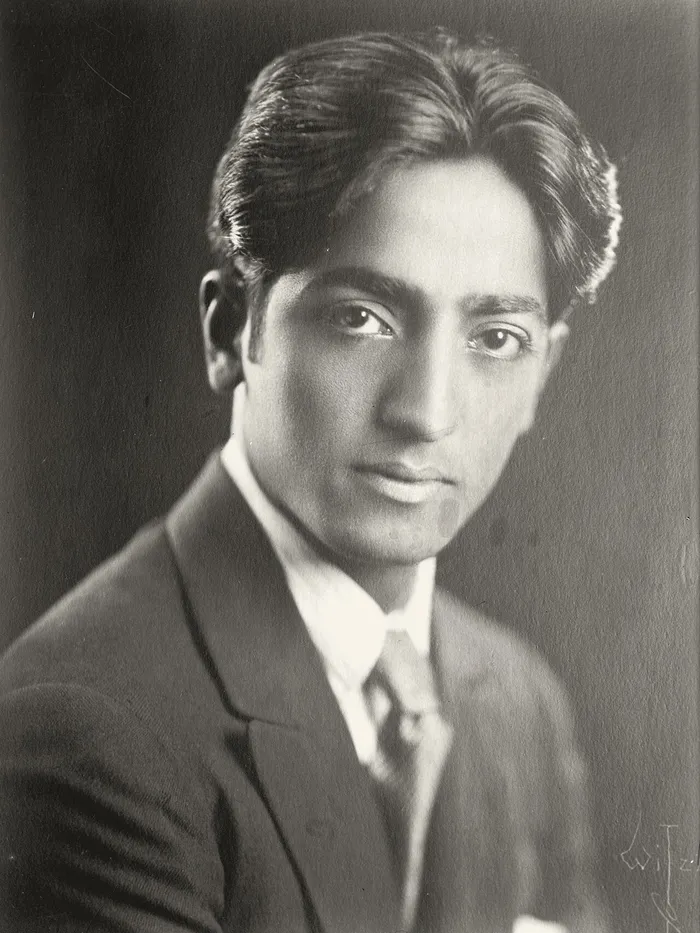
Bain Collection, Library of Congress · Public domain The refusal of method
Jiddu Krishnamurti
1895–1986
He took away every technique I had been collecting, including the idea that I was someone who collected techniques. What is left when you drop the authority, the system and the goal is not emptiness — it is attention. That is the whole of what I teach.
-
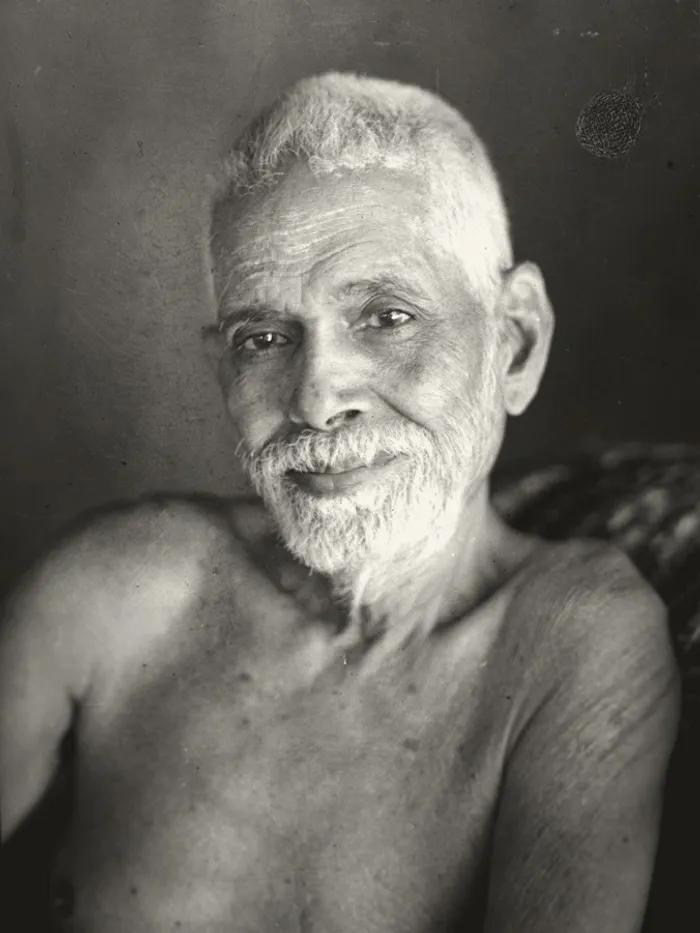
G. G. Welling, 1948 · Public domain The question underneath
Ramana Maharshi
1879–1950
Who is it that is meditating? Ramana’s self-inquiry is thirty short answers to that, and it dismantles the meditator rather than improving him. It is the shortest text and the longest work.
-
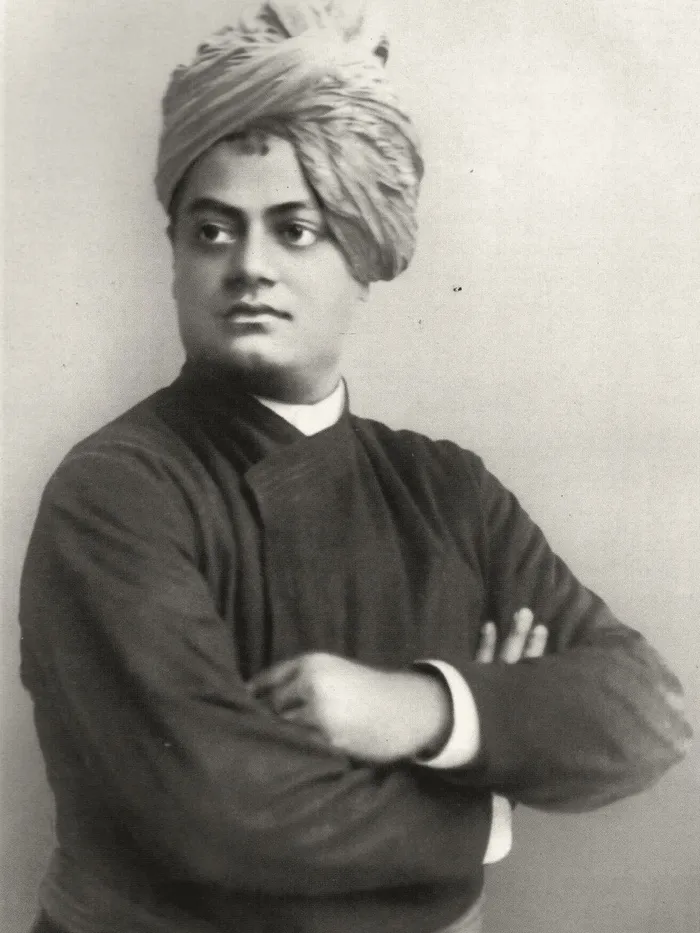
Thomas Harrison, Chicago 1893 · Public domain The argument a sceptic can hold
Swami Vivekananda
1863–1902
He put Patanjali into language that a modern, doubting mind could examine instead of swallow. For anyone who finds the vocabulary of spirituality embarrassing, he is the way in.
Why cultivate awareness?
Four answers, each of them an argument against something the modern mind takes for granted.
-
Against the recorded voice
Step out of the trap of guided meditation
A recorded voice telling you where to put your attention is doing the one thing meditation exists to stop. You are not observing your mind; you are following instructions, pleasantly. It is restful, and it is not meditation. The moment the voice stops, nothing has been learned — which is exactly why the app needs you back tomorrow.
-
Against speed
The necessity of slowing down
Awareness is not available at speed. Nothing can be observed in a mind running at the pace most of us keep, and the first discovery almost everyone makes on sitting down is simply how fast they had been going.
-
Against effort
Arrive at effortless meditation
Effort is what the beginner brings and what the practice eventually hands back. There is a stage at which attention is no longer being directed at anything — it is just on, the way hearing is on. You cannot force your way there. You can only stop adding the force.
-
Against inheritance
Freedom from conditioning and belief
Observing your own mind long enough, you start to see where your reactions came from — which of them are yours and which were installed before you could consent. That seeing is the freedom. Not a belief that replaces the old one; the absence of the need for either.
What actually happens
Silence, and then the part that teaches
We begin with pranayama, long enough for the breath to settle on its own. Then we sit. There is no guided visualisation, no recorded voice, and nothing to achieve inside the sitting.
Afterwards we talk — not about technique, but about what the mind did while nobody was instructing it. That conversation is the part most people find unfamiliar, and it is the part that teaches. If you have only ever meditated with an app, the first hour will feel strange. That is the point.
Book a 1:1 session
Sixty minutes online. We will do the breathing together, sit, and then talk about what actually happened — which is the part that teaches.
Sessions run online. Prem replies personally, usually within two days.
Not ready to book? The free guide gives you the breathing sequence to start on your own.
Download the free guide